



That extra “spare tire” is often more than just an appearance issue; it could be the silent accumulation of visceral fat. Visceral fat surrounds vital organs and is closely linked to the risk of cardiovascular disease, type 2 diabetes, high cholesterol, and high blood pressure. However, with a proper combination of diet and exercise, it’s entirely possible to see noticeable changes within 30 days.
1. Why is a “Belly Belly” Particularly Dangerous?
A protruding abdomen often indicates excessive visceral fat. Unlike subcutaneous fat, which remains “quiet,” visceral fat secretes various pro-inflammatory factors, interfering with blood sugar, cholesterol, and blood pressure regulation.
The good news is: visceral fat is very sensitive to diet and exercise. With consistent adjustments, it often starts to shrink from the waist and abdomen.
2. General Dietary Strategies
To start your “belly-slimming plan” in 30 days, focus on three main dietary principles:
- Choose more natural, minimally processed, high-nutrient foods, and reduce sugary drinks and refined desserts.
- Each meal should include protein, healthy fats, and dietary fiber to prolong satiety and prevent significant blood sugar fluctuations.
- Utilize foods particularly effective at combating abdominal fat to help improve inflammation and metabolism.
The following 7 food groups are “belly-friendly” choices suitable for daily replacement and long-term adherence.
3. 7 Belly-Reducing Foods
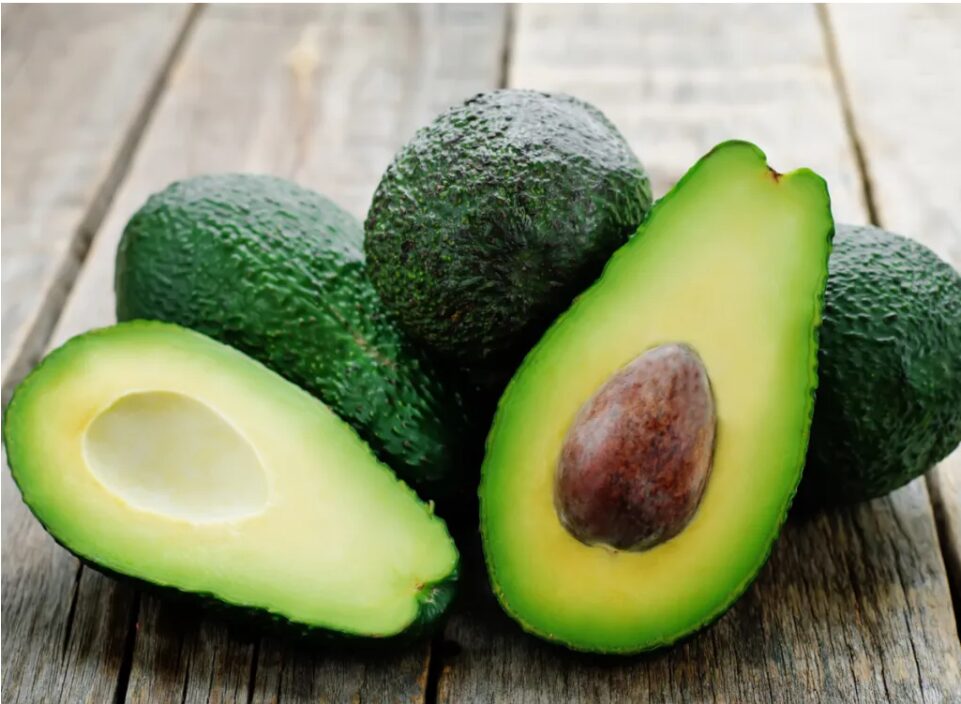
1. Avocado: A Fat-Reducing Food
Avocados are rich in monounsaturated fats, which help alleviate chronic inflammation and are associated with improved insulin resistance. These metabolic improvements are closely related to reducing abdominal fat.
At the same time, its high fiber content makes it easier to provide a lasting feeling of fullness, helping to reduce unconscious snacking throughout the day.
Eating Inspiration:
- As a salad ingredient: Pair with leafy greens, nuts, and a small amount of whole grains.
- As a smooth smoothie: Blend with spinach, bananas, and a small amount of yogurt.
- As a spread: Spread on whole-wheat or sprouted grain bread instead of butter or sweet sauce.
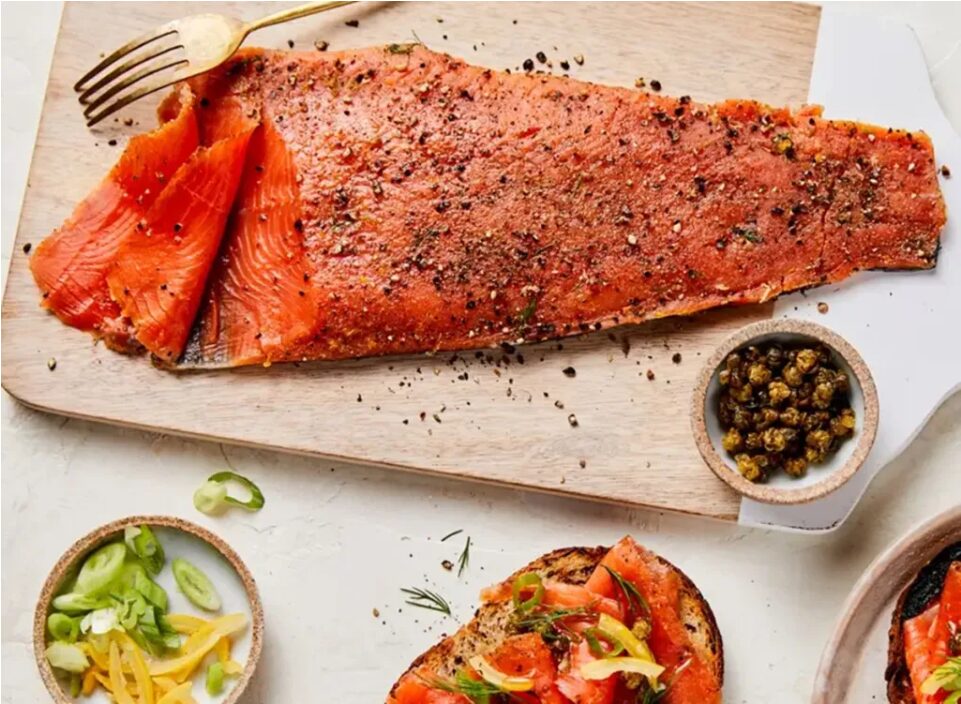
2. Wild Salmon: Giving Your Metabolism an “Armor”
Salmon provides high-quality protein, as well as omega-3 fatty acids such as EPA and DHA. These fats help fight inflammation and are closely related to reducing visceral fat and improving metabolic health.
Sufficient protein not only increases satiety but also helps retain lean body mass during weight loss, resulting in a more toned physique rather than becoming “fat and flabby.”
Eating Inspiration:
- Baked or pan-fried salmon twice a week, paired with roasted vegetables and brown rice.
- Using canned wild salmon, tossed with lettuce and cucumber, to make light salads or lettuce wraps.
3. Leafy Green Vegetables: Conquering Hunger with “Volume”
Spinach, kale, Swiss chard, and other leafy green vegetables are low in calories but contain considerable dietary fiber, magnesium, and various antioxidants, which help reduce bloating and improve bowel movements.
High in fiber, low in calories, and with a substantial “volume,” it helps you reduce your intake of refined staples and processed snacks without even realizing it.
Eating Inspiration:
- Make it into a large salad bowl, paired with eggs, beans, or fish as a main dish.
- Add it to scrambled eggs, soups, or smoothies to increase the proportion of vegetables in each meal.
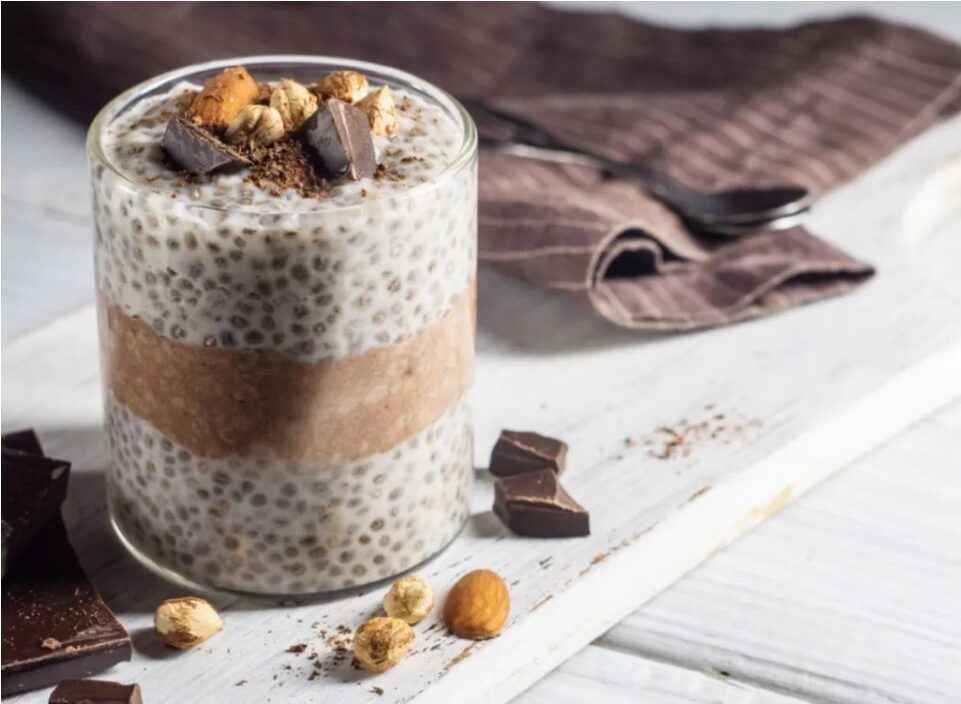
4. Chia Seeds: Small Particles, Big “Longer Satiety”
Chia seeds are rich in soluble fiber and omega-3 fats. When soaked in water, they form a gel-like structure that stays in the stomach longer, helping to stabilize blood sugar, prolong satiety, and reduce cravings for sugary snacks.
At the same time, the combination of its plant-based fats and fiber is also beneficial for inflammation control and cardiovascular health.
Eating Inspiration:
- Add a spoonful of chia seeds to overnight oatmeal.
- Mix with yogurt or plant-based milk and berries to make a simple chia seed pudding.
- Blend it into smoothies to increase thickness and fiber content.
5. Eggs: Small but Filling an Entire Meal
Eggs are a prime example of high-quality complete protein, containing nutrients like choline that support fat metabolism.
A high-protein breakfast helps control appetite throughout the day, reducing total calorie intake, while maintaining muscle mass during fat loss, ensuring weight loss is more focused on fat than muscle.
Eating Inspiration:
- Boiled eggs are a convenient snack to carry.
- Scrambled eggs with vegetables and whole-grain toast for breakfast.
- Sliced boiled eggs added to salads to increase satiety.
6. 100% Grass-Fed Greek Yogurt: A Double Support for Gut Health and Muscles
Greek yogurt is high in protein, and as a fermented food, it helps support a balanced gut microbiota, which is increasingly proven to be closely linked to weight management and waist circumference control.
Choosing an unsweetened version with live bacteria strains is even more helpful in supporting lean body mass and improving body composition, especially beneficial for abdominal fat.
Eating Inspiration:
- In the morning, enjoy plain Greek yogurt with berries, flax seeds, or nuts.
- Mix with vanilla, vanilla seeds, vanilla powder, or other vanilla herbs to make a high-protein savory dip for vegetable strips.
- Use as a substitute for salad dressing or high-fat cream sauce in some recipes.
7. Green Tea: Quietly Igniting a “Calorie Stove”
Green tea contains caffeine and a catechin called EGCG. Studies show that these two work synergistically to enhance the thermic effect, increasing the body’s efficiency in burning fat, especially targeting abdominal fat.
Replacing sugary drinks and high-sugar coffee with green tea not only reduces calories but also increases water intake, leaving you feeling lighter and more refreshed.
Drinking Suggestions:
- Drink 1–2 cups of green tea or matcha daily, hot or cold brew.
- When you need a pick-me-up in the afternoon, replace high-sugar coffee with matcha milk (be mindful of total sugar content).
4. 30-Day Practice Tips (Directly Applicable)
To ensure these foods truly translate into changes in your waistline, try the following simple framework:
- Breakfast: Eggs or Greek yogurt + leafy greens or fruit + chia seeds or whole grains.
- Lunch: A large salad primarily consisting of leafy greens and other vegetables, paired with salmon, eggs, or beans, plus a small amount of whole grains.
- Dinner: Control portion sizes, focusing on vegetables + high-quality protein (such as fish or chicken), with a small amount of avocado.
- Throughout the day: Replace sugary drinks with green tea, and prioritize high-protein or high-fiber snacks such as yogurt, nuts, and eggs.
By treating these as new “daily treats” for your body, rather than short-term “punishment diets,” after 30 days, you’ll not only see a more defined waistline in the mirror, but you’re also more likely to gain stable energy, lighter steps, and a renewed sense of control over your diet.